
Deepak is a content contributor for South Asian Success, check out all his articles here.
In today’s fast-paced business world, crises and disruptions are inevitable. Whether it’s a global pandemic, supply chain issues, or a product recall, how you manage customer expectations and emotions during these challenging times can make or break your business. Let’s dive into some proven strategies to navigate turbulent waters and emerge stronger on the other side.
Understand the Impact
Before taking action, it’s crucial to grasp how the crisis affects your customers. Imagine you’re a software company that’s experienced a major data breach. Your first step should be to assess the scope of the impact on your users. Conduct surveys, monitor social media, and engage in direct conversations to understand their concerns and needs.
Example: When Zoom faced security issues early in the COVID-19 pandemic, they quickly gathered user feedback and identified key concerns around privacy and “Zoombombing.” This understanding allowed them to prioritize fixes and communicate effectively with their rapidly growing user base.
Communicate Proactively
Don’t wait for customers to come to you with complaints. Be proactive in your communication. Use clear, honest language and avoid jargon or vague promises.
Example: During the 2010 Deepwater Horizon oil spill, BP initially underestimated the severity of the situation in their communications. This led to a loss of public trust. Learning from this, companies like ExxonMobil now have comprehensive crisis communication plans that emphasize transparency and frequent updates.
Pro tip: Create a dedicated crisis communication channel, such as a regularly updated webpage or email newsletter, to keep customers informed.
Empathize with Your Customers
Show your customers that you genuinely care about their feelings and needs. Acknowledge their frustrations and anxieties, and express your appreciation for their patience and loyalty.
Example: When airlines faced massive cancellations due to COVID-19, Southwest Airlines stood out by offering full refunds, waiving change fees, and extending the expiration of travel funds. This empathetic approach helped maintain customer goodwill during an incredibly challenging time for the industry.
Deliver on Your Promises
Set realistic expectations and follow through on them. If there are delays or changes, inform customers promptly and explain the reasons along with the actions you’re taking.
Example: Apple is known for under-promising and over-delivering. When they face supply chain issues or product delays, they communicate clearly with customers and often provide conservative estimated delivery dates, which they then try to beat.
Pro tip: Implement a robust tracking system for customer issues and resolutions to ensure nothing falls through the cracks.
Learn from the Experience
After the crisis subsides, take time to evaluate your performance. Analyze data and feedback to identify strengths and weaknesses in your customer experience management.
Example: After a series of food safety incidents in 2015, Chipotle conducted a thorough review of its processes. They implemented new food safety protocols, retrained staff, and communicated these changes to customers, helping to rebuild trust and improve their operations.
Build Long-term Relationships
View crises as opportunities to strengthen your customer-centric culture. Continue to communicate, empathize, and deliver value to your customers long after the immediate crisis has passed.
Example: When Toyota faced a massive recall due to faulty accelerator pedals in 2009-2010, they not only addressed the immediate issue but also implemented a comprehensive “Customer First” program. This long-term initiative focused on improving quality control, increasing transparency, and enhancing customer service, helping Toyota rebuild its reputation and customer loyalty.
Bonus Tip: Empower Your Support Team
Ensure your frontline staff are well-informed about the crisis and equipped to handle customer inquiries with empathy and accuracy. Continuous training during crises is crucial to maintain consistent messaging across all customer touchpoints.
Example: Nordstrom is renowned for its exceptional customer service. During the pandemic, they quickly trained their staff to handle new challenges like curbside pickup and virtual styling sessions, ensuring a seamless customer experience despite the disruption.
In conclusion, managing customer expectations during crises is not just about damage control—it’s an opportunity to demonstrate your commitment to customer satisfaction and build stronger, more resilient relationships. By understanding your customers’ needs, communicating proactively, showing empathy, delivering on promises, learning from experiences, and focusing on long-term relationship building, you can turn potential disasters into opportunities for growth and customer loyalty.
Remember, every crisis is different, but the fundamental principles of transparent communication, empathy, and customer-centricity will always serve you well. Stay prepared, stay responsive, and always put your customers first. Your business will not only weather the storm but may even come out stronger on the other side.
What strategies have you found effective in managing customer expectations during challenging times? Share your experiences and let’s learn from each other!
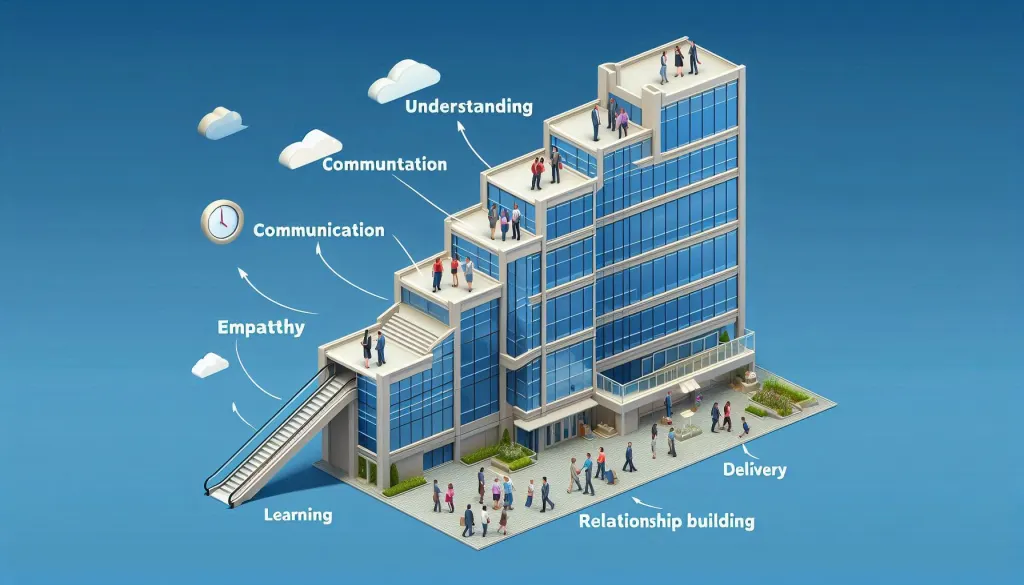
Graphic generated by the author using Copilot AI.
This blog post expresses the opinions of the author, not South Asian Success.