** Trigger Warning: This blog post discusses sensitive topics related to death and loss, which may be upsetting to some readers. Please proceed with caution and seek support if needed.**
It was almost like our family tradition to take my 11 year old son out on a holiday, preferably something adventurous like a medium intensity trek in the Western Ghats of India, every year during Dasara (A festival specific to Karnataka, India) and also summer vacations. This time, I had planned a four-day trekking expedition in Kalasa, Chikmagalur. Vindhya, my wife, couldn’t join us both, like earlier years, because our younger son was barely 5 months old. After driving for 7 hours from Bangalore early that morning of Oct, 7, 2024, we were just 50 kilometers from Horanadu, our first stop, when my world got shattered! I received a panicked call from my parents back home, the message was—my wife had ended her own life!
The shock numbed me completely, so I couldn’t drive back. After some time, I sought help from the locals and a Good Samaritan, someone I’ll never forget, stepped in to help. He drove us back home to Bangalore in our car—a harrowing seven hours that felt like hell!
The next day, reading her death notes felt like a blow I could never recover from. Vindhya (her LinkedIn Profile) had always been a high achiever. She was a meritorious student all along. Yet, here she was, among other things, writing that she didn’t deserve any of her accomplishments, she felt like an imposter—it broke my heart. I realized that she had fallen prey to postpartum depression—irrational fears. I had failed to see how deeply she was struggling and didn’t take her seriously—an oversight I will carry with me for the rest of my life.
In the weeks that followed, I sought therapy, and during a psychiatric evaluation from a reputed mental health hospital in Bangalore, I discovered that I am suffering with anxiety and depression due to sudden loss of my wife—issues that seemed understandable given the circumstances. But the report also revealed something I never expected: ADHD! With Vindhya’s sudden loss I thought I had touched the bottom, but I was wrong! As someone with a Bachelor’s in Electronics, a Master’s from TU Delft, and 12 years in health tech as an Engineer, it took me some time to even digest this new development.
I realized that I could no longer continue with the same mindset and lifestyle that had defined me for so long. The loss of Vindhya had shaken the very foundation of my existence, making me question everything I thought I knew about myself and my priorities. I understood that to honor her memory and build a better future for my children, I had to embrace change and do it quickly. This meant reevaluating not just my career choices but also how I approached relationships, my well-being, and my role as a father. I couldn’t return to my old life; I had to forge a new one.
The Catalyst for Change
I hold a Master’s degree in Computer Engineering from TU Delft. With over 12 years of experience in lighting and healthcare technologies. I’ve worked as an Engineer in the research departments entirely, solving complex problems and delivering innovative solutions.
Reflecting on my career, I realized that while the work was intellectually stimulating, it often felt disconnected from tangible outcomes. Such is the work in the research department that the ideas that I had been working for years never saw the light of day. While my career provided financial stability, it left me yearning for something more fulfilling.
For years, I had postponed making changes to my career. There was always an excuse—‘next year’ or ‘after this project,’ or ‘when the job market improves.’ But Vindhya’s sudden loss shattered that illusion of endless time. I could no longer depend on the ‘next year.’
I wanted a career that aligned with my core values—helping people, creating visible impact and building meaningful relationships. It wasn’t just about earning a paycheck anymore; it was about finding a purpose.
I also began to notice how professionals across various fields were reevaluating their career choices. Engineers with stable, high-paying jobs were leaving to find fulfillment and balance in other professions. On forums like Reddit, I read stories of mechanical engineers turning to teaching, taking pay cuts but finding a deeper sense of purpose. Some sought new challenges to escape the monotony of technical work, while others yearned for better work-life balance after decades of stress and burnout. These stories resonated deeply with me.
In short, I wanted a career where the work I did would matter every single day, where I could see the impact of my efforts in real time. This wasn’t just a career change—it felt like a life’s calling!
Discovery of Customer Success
During my period of discovery, I came across the term “Customer Success.” At first, I assumed it was just another way of describing Customer Service—something I had experienced. But as I started exploring it further, I realized that Customer Success was different from Customer Service, it wasn’t about waiting for problems to arise and fixing them; it was about proactively helping customers achieve their goals and ensuring they succeed with the products and services they use. It’s about making their success the priority, not just solving their complaints.
The more I learned about Customer Success, the more I realized that many of the skills I had developed earlier in my career, were transferable to this new field:
- Technical know how: I have experience working in SaaS-based healthcare projects, including hospital workflow optimization and connected cloud applications. As a software/data engineer I’ve developed software prototypes, and analyzed large datasets to drive insights. As a Scrum Master, I’ve managed agile projects. I’ve delivered scalable solutions leveraging tools like Python, PySpark, and proprietary AWS-powered HealthSuite Platform.
- Problem-Solving: My experience working in the research department taught me to approach challenges faced by businesses systematically and design practical solutions. I realized this aligns closely with understanding customer pain points and helping them overcome obstacles.
- Communication and Collaboration: Years of working in cross-functional teams helped me refine my ability to communicate effectively, simplify complex ideas, and foster collaboration—key skills needed for building strong relationships with customers.
- Love for Teaching: I’ve always enjoyed mentoring younger colleagues who were fresh graduates and bringing them up to speed. This interest translates into educating customers about products, guiding them about product features and support them to achieve their goals.
For the first time in years, I felt that I can take up CS as a potential career path for my future, because my skills and the values I was looking for in a job converged here!
Challenges of Transition
However, breaking into a new field like Customer Success or for that matter, any other field, without prior experience is a daunting journey. Especially with my current state of mind!
Here are some of the challenges I’ve faced so far as I navigate this career change:
- Imposter Syndrome: The very first challenge that I’ve faced is the one within. I’ve found myself questioning —am I too late to start over? Will my background ever measure up to the expectations of this industry? Can I really succeed without direct experience in this field?
- Fear of the Unknown: I often find myself wondering what to expect, whether I’ll actually make it, or how long it might take to establish myself. Every step feels like a leap of faith—exciting at times, but also intimidating.
- Networking Challenges: Reaching out to strangers and finding mentors, and gaining visibility in a new domain and building a professional network requires stepping out of my comfort zone.
- Industry Specific Knowledge Expectations: Many companies expect candidates to have relevant industry-specific knowledge. For example, marketing-focused organizations look for candidates with prior experience working in advertising or brand management companies. I may have to restrict myself to CS in the healthtech industry, which will make it quite narrow.
- Questions About Career Change: A few days ago I spoke to a few HRs of some startups and I’ve encountered questions like, “Why leave a career in healthtech?” or “Are you sure you’re ready for something so different?”.
- Accepting a Junior Role/Pay-cut: Starting over in a new field often means accepting a junior role, which comes with a significant pay cut.
These challenges can feel overwhelming at times, and I don’t have answers to all the questions right now. This is my mind trying to keep me safe from the unknown. But I’ve come to accept that this is part of the process. For now, my focus is on taking one step at a time, learning as I go, and finding ways to highlight the value I can bring to a Customer Success role.
My Plan
With all that research about CS. I decided to make a plan for transition. And here it is:
1. Giving Myself a Year and Managing Finances
Transitioning into a new career is no small task, and I knew I needed to give myself enough time to do it right. A year felt like the perfect balance—neither too long to feel complacent nor too short to create unnecessary panic and stress.
Vindhya and I had always planned ahead and built a sufficient financial cushion over the years. This meant I wasn’t overly worried about monthly bills during this transition time. To be safe, however, I also decided to cut down on any unnecessary spending. Having this buffer has been a huge relief, letting me channel my energy into the transition process rather than constantly worry about losing time.
2. Networking
Right from the beginning I was clear with one thing, that without a great network this transition will not be easy. Also, from my experience I know that Networking isn’t just about sending connection requests on LinkedIn, sharing the CV and job-codes and requesting for referrals and follow-ups. That will not work. I knew the importance of contributing before asking for help.
Here’s how I’m approaching networking:
- LinkedIn as a Key Platform: I’ve made LinkedIn my go-to tool for finding and connecting with Customer Success professionals and CS Groups. I’m learning to come out of my shell of comfort and reach out to people.
- Nurturing Relationships: Building trust takes time, and I focus on engaging with connections by offering value—whether it’s sharing relevant content, participating in discussions, or completing tasks assigned by mentors.
A very good example for this is how I came to write this blog. In December, 2024, I happened to read an article – Neurodiversity, CX, and Curb Cuts (Oh, My!) written by Virginia D. Bloom. When I reached out to Virginia she told me about the South Asian Success group and also introduced me to Parul Bhandari.
And when I reached out to Parul, she suggested that I write a blog and build myself a brand. I took it up as a task and started writing this, demonstrating my commitment to both Virginia and Parul! And I liked this exercise so much that I am planning on contributing more blogs in the future.
Another person I must mention in this context is my friend and mentor – Subbu Parameswaran, a dear friend of both Vindhya and I, who has been a guide to me in my personal life in these troubled times and also in my career transition.
Before starting my (informal) mentorship with him, I took the time to set some clear KPIs for myself—SMART goals I wanted to achieve during this transition. I discussed these with him upfront to ensure we were aligned, and now, we have weekly calls where I update him on my progress. These sessions aren’t just about seeking guidance; they’re also about accountability. Knowing that I’ll be sharing my progress with someone I respect has been a strong motivator to stay on track and keep pushing forward.
What I want to stress here is that – if there’s one thing I’ve learned through this process, it’s the immense value of having a mentor or accountability partner. Someone who can not only guide you but also hold you accountable to your own goals. I’d strongly recommend finding such a person—someone who genuinely believes in your potential and is willing to support you through the ups and downs of your journey.
- Joining Communities: I’ve joined groups like SAS (South Asian Success) and CS Connect, where I will actively participate in discussions, volunteer, and contribute to their initiatives. This engagement will make my name known within these networks.
3. Knowledge-Building
Switching to a new domain like Customer Success requires understanding of its basics, core principles and tools. I’m focusing on building the right knowledge and skills, by doing the following:
- Online Courses: There are many online platforms offering courses and certifications in CS. I’ve personally taken up a Level 1 course from SuccesCOACHING. It is affordable, easy to understand video lessons, which I can learn at my own pace, has quizzes after each section and finally a Certification Exam.
- YouTube and Podcasts: YouTube has sufficient content on it from interview tips and role comparisons to day-in-the-life stories. These resources are invaluable because the more I hear them the more I’m getting a hang on CS jargons, challenges etc.
- Interacting with LinkedIn Posts: Following industry leaders and influencers in Customer Success on LinkedIn has been incredibly insightful. They regularly share posts that are not only easy to understand but also highly relevant to real-world scenarios. Although I’m not directly engaging with any of their posts yet, I have it in my plan to do. Because by—liking, commenting, or sharing my thoughts—I will be building myself a visibility and making more connections with experts.
4. Jobs
Finally and of course most importantly—finding and applying for jobs. I feel that if the above steps are done religiously then half the battle is won. My preferences/strategy for job search is as follows:
- Startups instead of MNCs: From my experience so far, I’ve realized that larger MNCs tend to play it safe and are often hesitant to take chances on someone transitioning careers. However, startups, on the other hand, are usually more open to taking risks and exploring new talent. Once I gain sufficient knowledge in CS i.e. completing the course. I plan to reach out directly to Founders of startups, those listed on Y Combinator and YourStory, to pitch my profile and explore opportunities.
- Freelancing Platforms: I have also created a profile for myself on Upwork platform. I’ve noticed plenty of Customer Success jobs being posted there on a daily basis. Given my personal situation, I’m prioritizing work-from-home roles. This setup allows me to balance my work with family commitments effectively.
- Virtual Assistance: I am also considering working as a Virtual Assistant to big-wigs in CS for a short duration. I feel that this is a great way to gain hands-on experience, almost like being an apprentice and quietly observing their day and tasks. It’s a chance to learn directly from professionals while contributing to their day-to-day tasks. If I can impress them with my work, my role may translate to a permanent position as a CS associate.
- Bootcamps and paid mentorships: In my search I’ve come across Bootcamps and paid mentorships, they are a little expensive for my financial situation. I will probably look into them towards the end of the year, if things don’t go well as I planned.
- Regional Preferences: I’m focusing on roles in regions like Europe, Asia, and Australia. These time zones align better with India, making it easier to manage work and personal life without compromising on either.
Bonus:
Writing Blogs and LinkedIn Posts: Sharing my own thoughts, insights, and learnings through blogs such as this or LinkedIn posts will be a game-changer. If I set myself a hard target of at least 1 quality post a week, I will have 52 in a year! I feel that this way I can solidify what I’ve learned and also build myself a brand in the CS domain. The positive impact this activity will have on the LinkedIn algorithm will be immense. Over a long period of time, this consistent effort can position me as someone knowledgeable in the CS space. Of course, this is a slow and long term process but I include it into the job search section because – I feel that by building myself a strong brand, in the future hiring HRs will easily find me when they are in need of CS professionals!
Reflection
This transition is more than a career change for me—it’s a deeply personal chapter of rebuilding my life from its foundations. It’s about aligning my work with values that matter to me: helping others, making a meaningful impact and fostering connections. It’s about honoring Vindhya’s memory, not by dwelling on the loss but by creating a future that reflects the strength and love she brought to our lives.
Don’t want to sound like Rocky Balboa here, I can really feel what he was saying about life – “…it ain’t all sunshine and rainbows…”, especially when I think of Vindhya and my children. We will always have a choice with how we respond. I’ve chosen to turn my pain into purpose, to move forward not just for myself but for my two sons. My elder son is 11 years old, a critical age and he will look up to me for hope and direction. Time flies, especially with kids. In no time they will grow up. So, ten years from now I don’t want to look back and regret my decisions. Instead on that day, I hope to show them both that even in the face of immense loss, we can rebuild, grow, and find meaning again.
This journey is not just about me; it’s a message for anyone who feels lost or uncertain about their path. Finding your way forward is not quick or easy. It requires a clear plan, enough time to make meaningful progress, the courage to take that first step, and the resilience to keep going when things get tough. Surrounding yourself with the right people—building a network and belonging to a supportive community—can make it all a lot easier!
If you or someone you know is struggling with mental health, reach out for help immediately by calling the National Suicide Prevention Lifeline at 988; you can also text 988 to connect with a crisis counselor 24/7. In a life-threatening emergency, call 911 (in the USA).
This blog post expresses the opinions of the author, not South Asian Success.
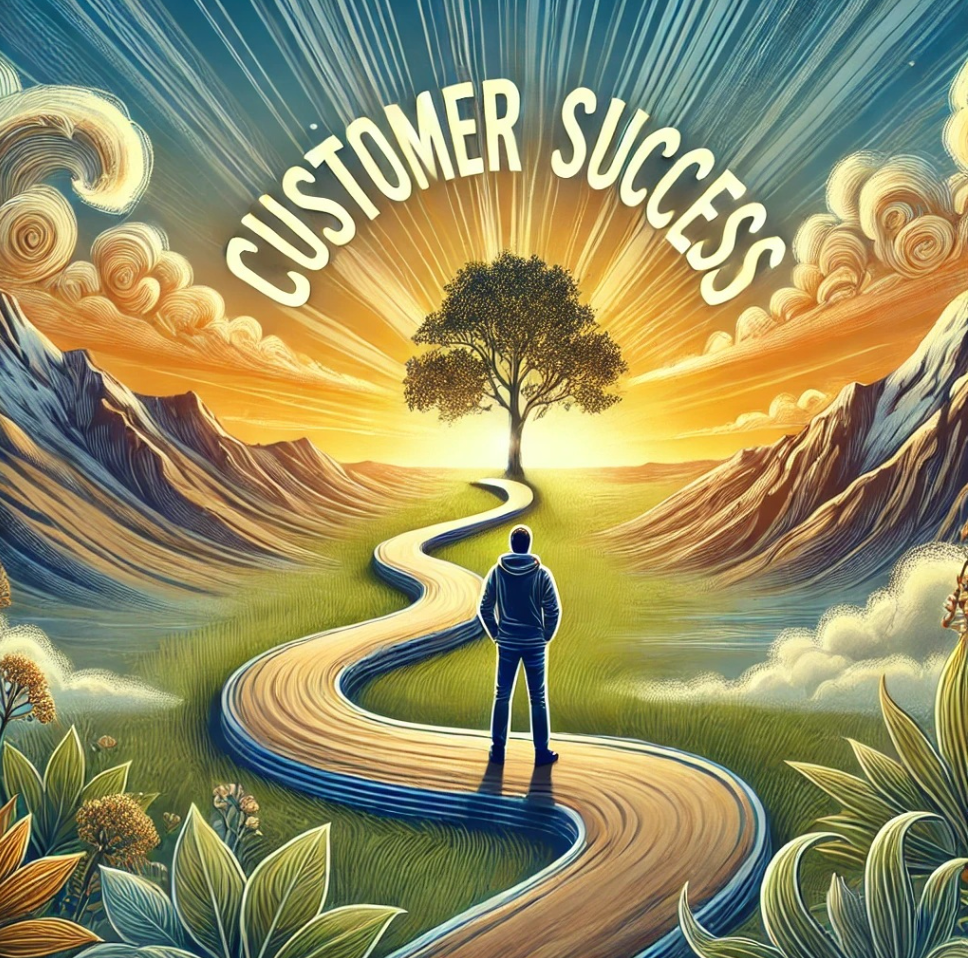
Feature graphic generated using Dall-E.